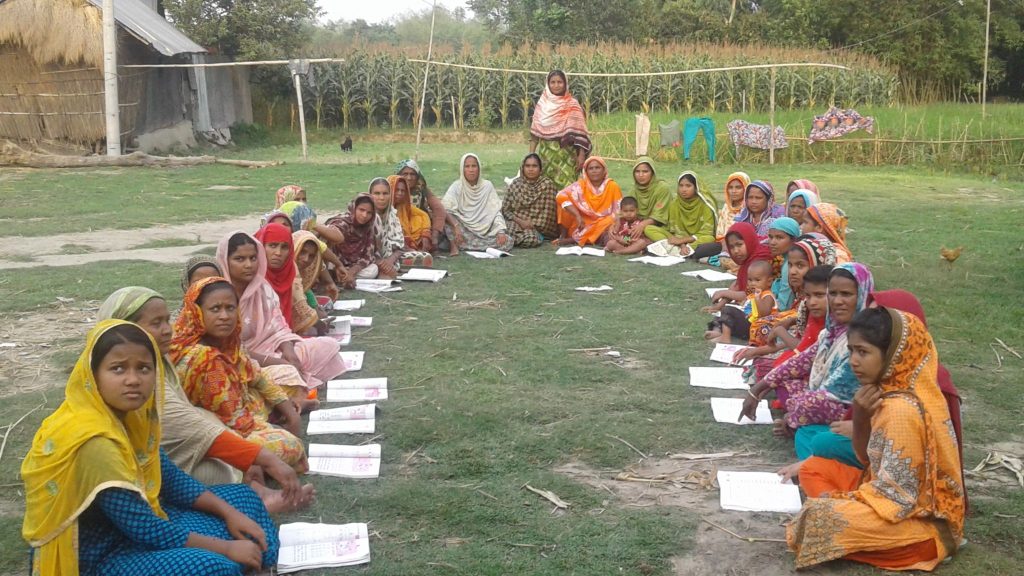
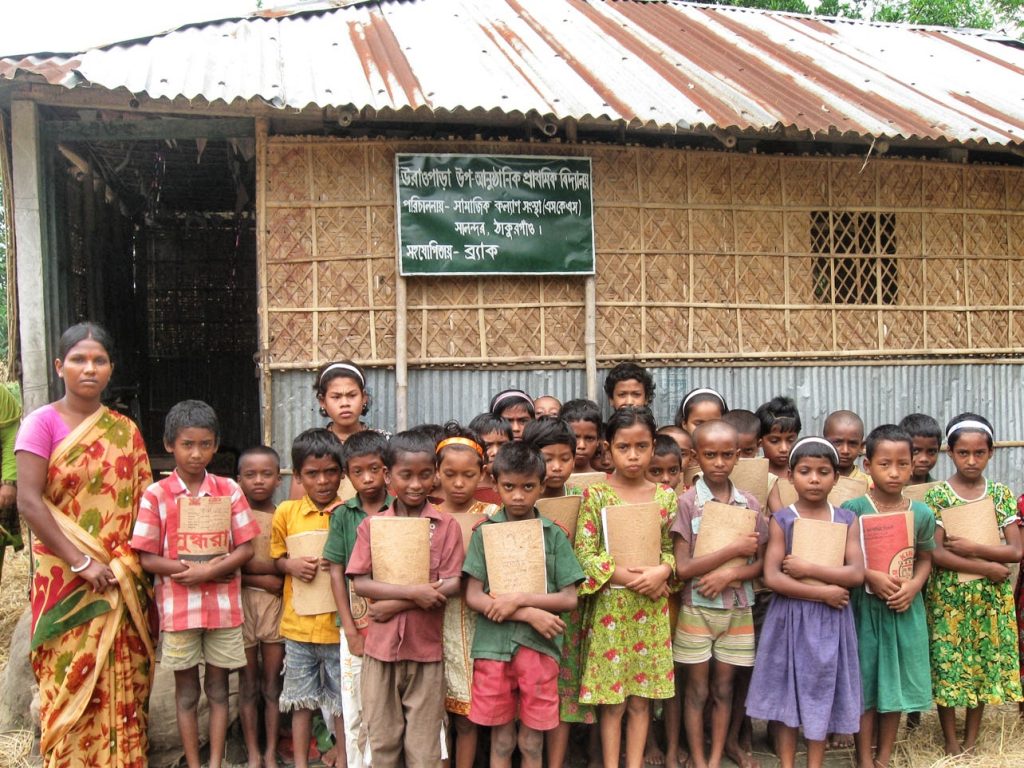
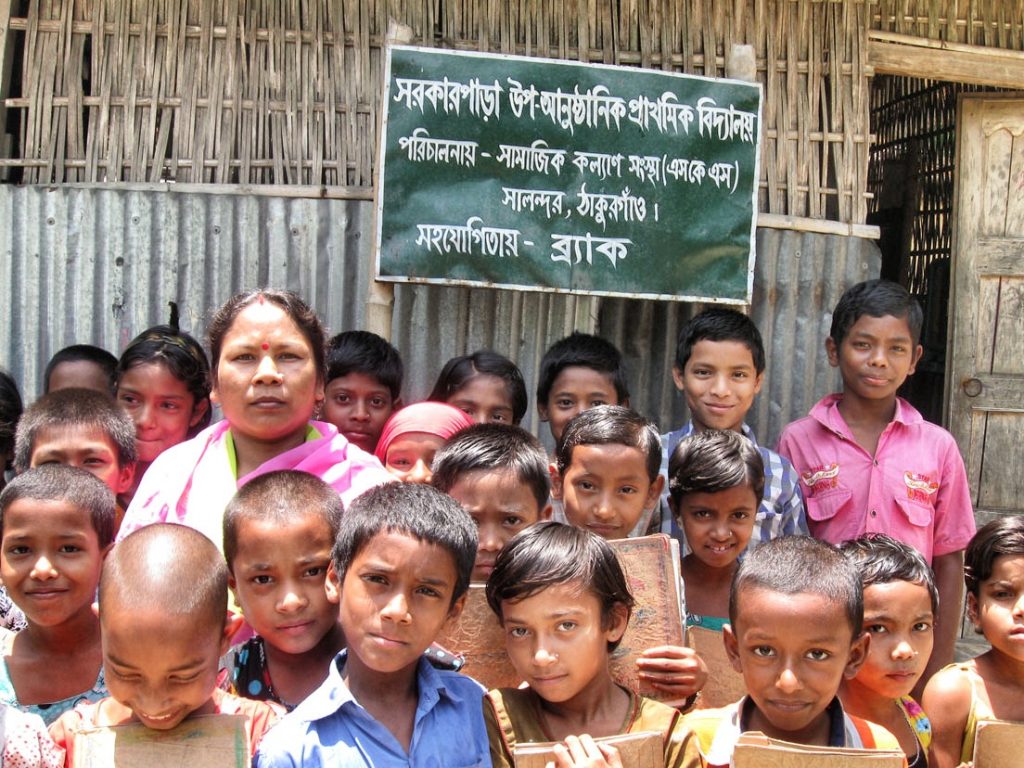
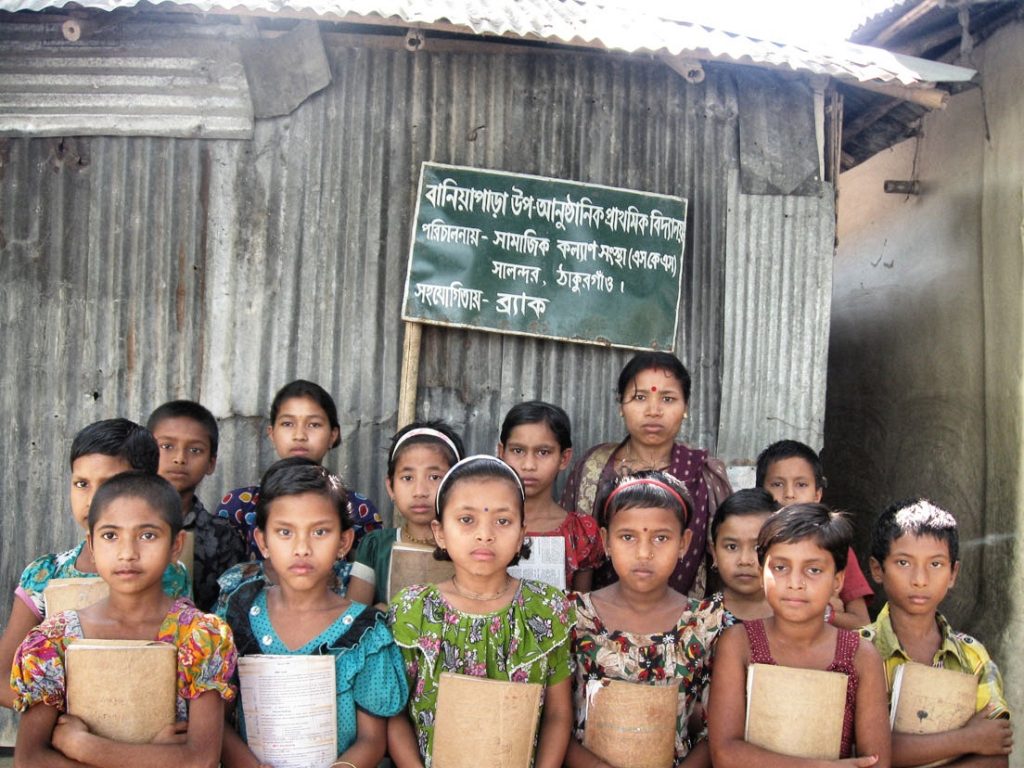
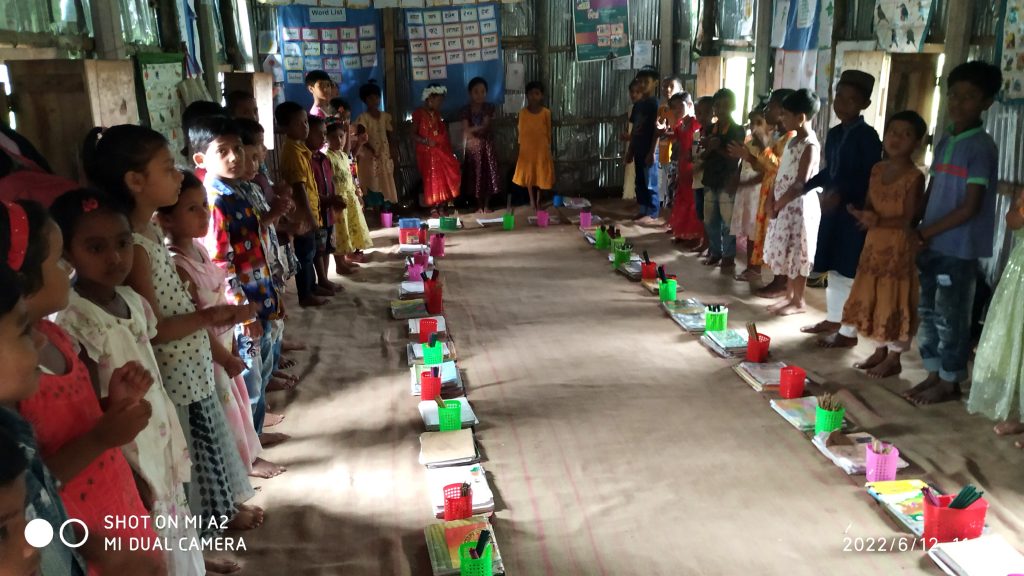
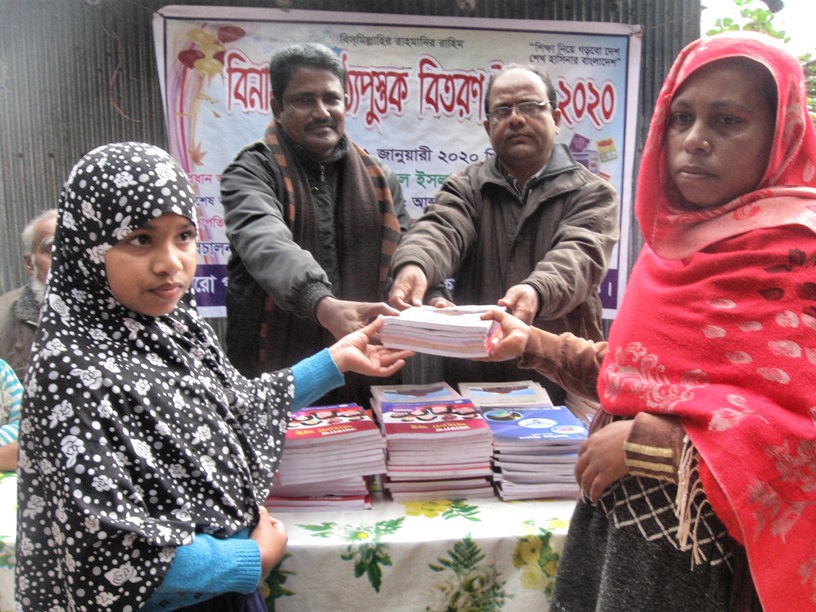
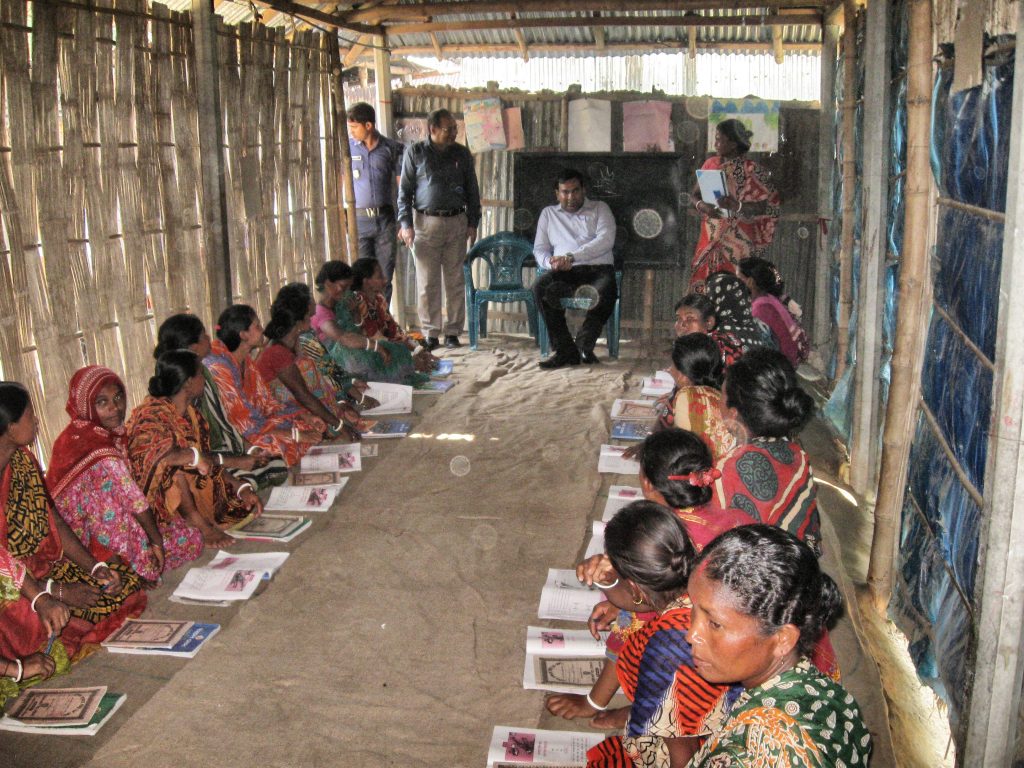
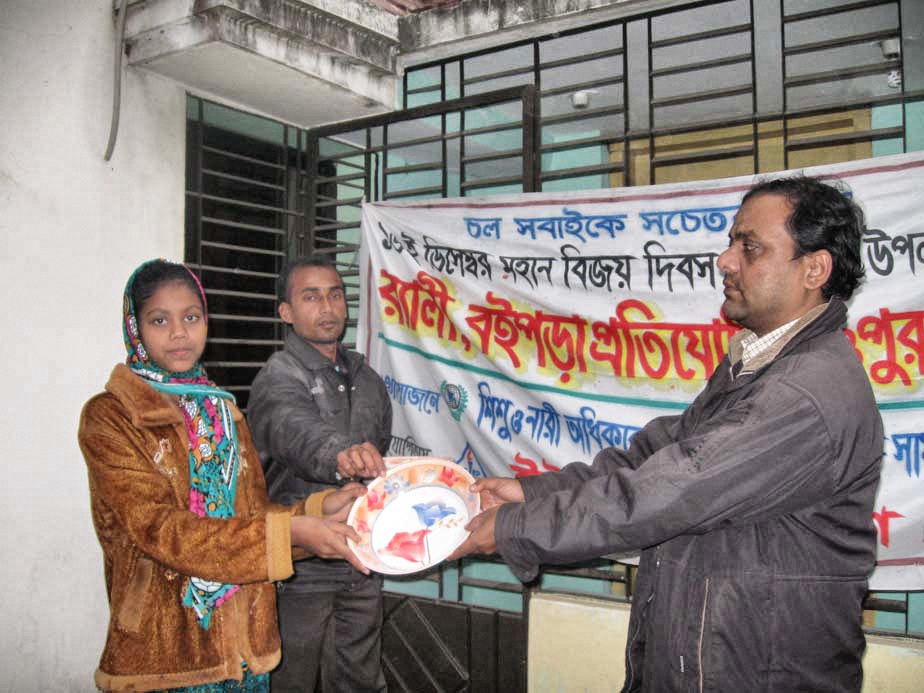
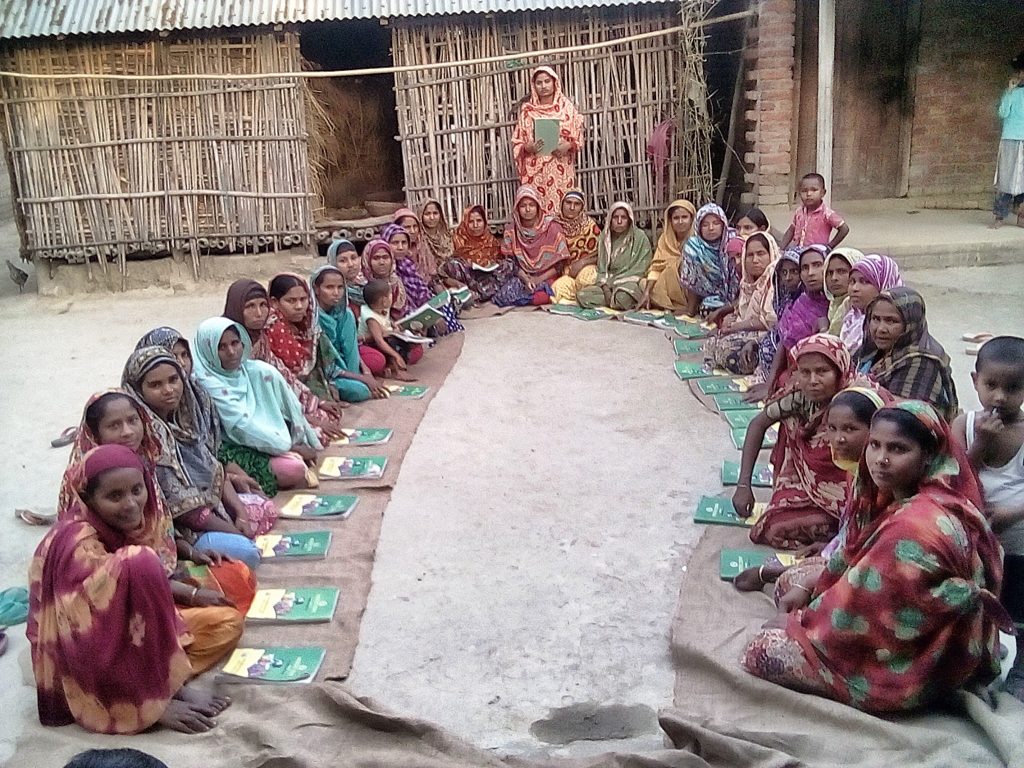
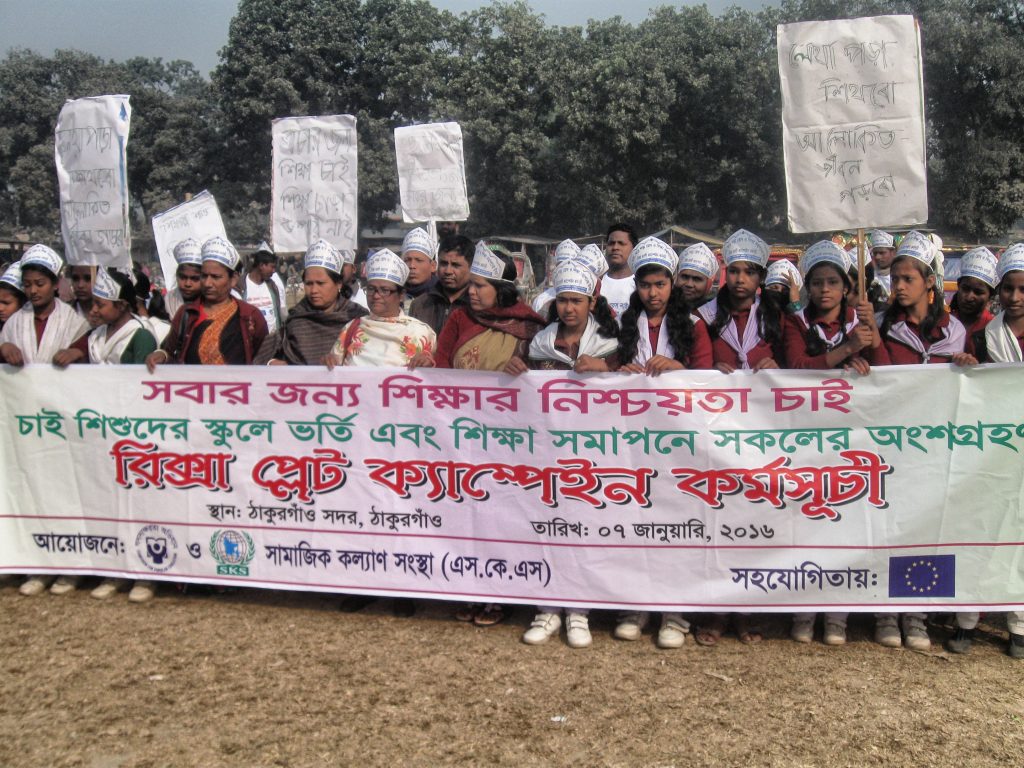
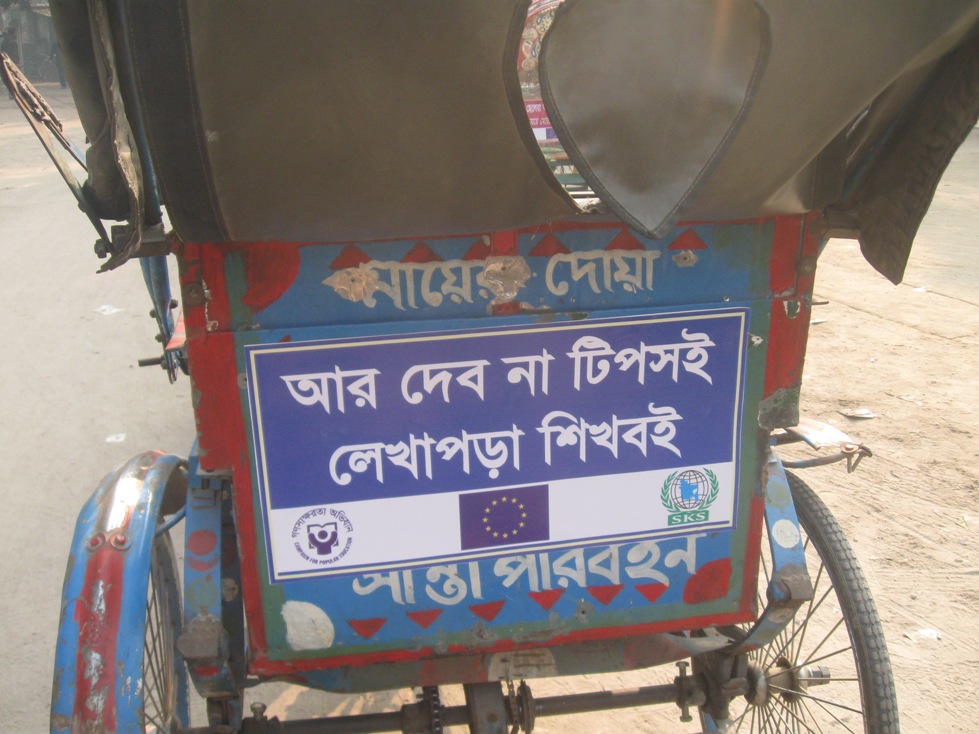
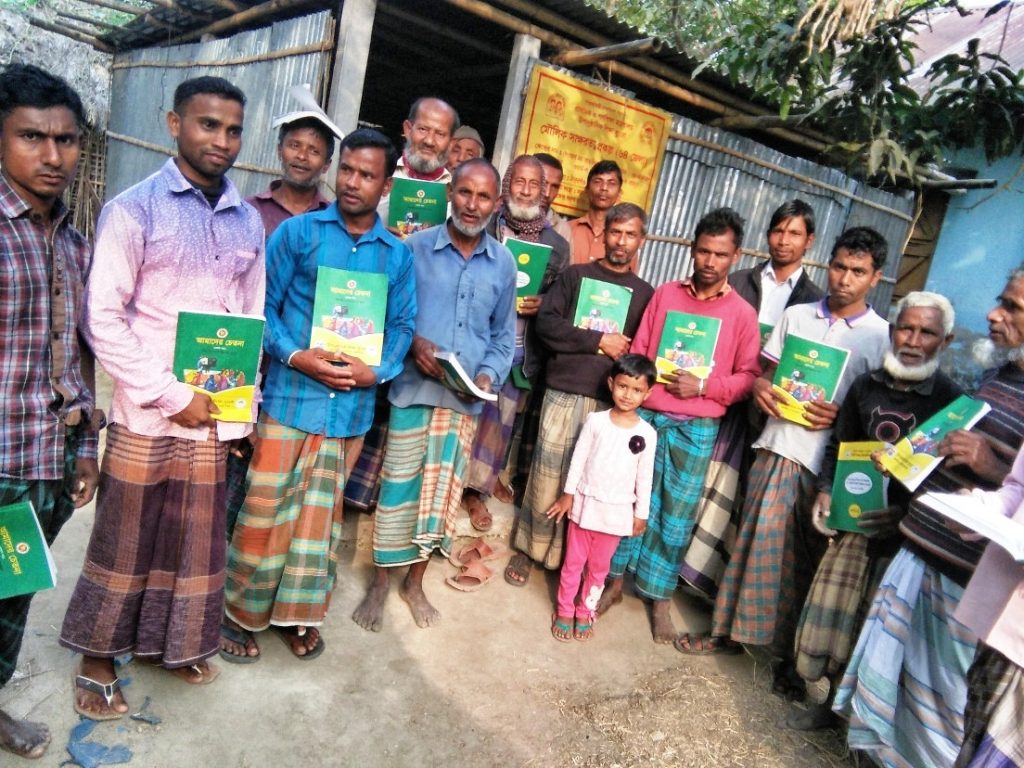
SKS is moving forward at a relentless pace with the slogan “Education for All”. SKS is implementing educational activities for everyone from children to the elderly. SKS is implementing pre-primary and primary education programs for children, adolescent education programs for adolescents, basic literacy projects for adults and continuing education projects in its area.
Ensuring quality education to all children, especially to the children from the most marginalized sections of society is one of SKS’s key development concerns. SKS’s education program conducts multiple activities to ensure quality education to children belonging to various zones of exclusion and deprivation including school dropouts, slow learners, out of school children and ethnic minority groups.
Key Component:
Pre-Primary Education (PPE) Program
Non-Formal Primary Education (NFPE) Program
Adolescents Development (ADP) Program
Local Initiative for Adolescents Development (LIAD) Program
Life Skills and Education for Adolescents Development (LEAD) Program
Post Literacy & Continuing Education for Human Development (PLCEHD-1) Program
Basic Literacy Program (BLP)
Advocacy program to prevent school dropouts
Education Performance:
817 children enrolled in 37 pre-primary schools.
3017 out of school children enrolled in 150 NFPE schools.
69 learners from 45 NFPE School got General Stipend form Dinajpur Education Board.
2,762 adolescent girls received life-skill education through 100 adolescent forums.
1316 adolescent girls received IGA / skills training on different trades.
900 Adult learner received trade based training from PLCEHD-1 program.
18,000 people received messages on education and others social issues that contributed to ensure quality education.
Pre Primary Education (PPE) Program:
Prepare the children for readiness to formal schooling. One is only for 4 years old children and another is for 5+ years of age. For 4 years old children SKS offers 2 years of curriculum while for 5+ years aged children it offers a specially designed 1 year of curriculum. A total of 47 pre primary schools were established this year for the under privileged children from hard to reach areas.
Facts:
817 children enrolled.
47 pre-primary schools .
In January 2019, total 586 children were admitted to mainstream schools after completion of pre-schooling.
Non-Formal Primary Education (NFPE) School:
This project is partially supported by BRAC from January,2012through 150 nos. of school covering 15 union of Sadar Upazilla under Thakurgaon district. The project provides non-formal primary education to children of 08 to 10 years old who had drop out from the formal education system. These children are assured enrollment to formal school after completion of the non-formal education course.
Facts:
150 Non-Formal Primary schools are running.
1217 children enrolled.
Life Skills & Education for Adolescents Development
By this program, ensuring 06 months basic literacy course and 18th months skill based training to the 11 to 18 years aged adolescent boys and girls. The project implemented through 90 numbers of Non-formal Adolescent Centers. There are six components have been undertaken to implement this program. These are- Primary selection of adolescent boys and girls, Provides life skill development training to the adolescents, Subject based guardians meeting, Literacy program & Technical skill development training, Mass gathering and Couples life development training
Key activities:
Learner selection, 25-30 learners each centre
Guardian Meeting
o6 Months Basic literacy providing for 02 hours every day
SMC formation and monthly meeting conduction
Mass gathering
15 days life skill training to the learners
Facts:
90 LEAD schools are running.
320 adolescents enrolled.
Basic Literacy Program:
This project is running through 300 nos. of Learning Centre covering 21 Union and 01 Powroshova of Sadar Upazilla under Thakurgaon district. The project provides basic literacy to the 18000 participants of 15-45 aged illiterate person. After completion their graduate, they have to provide need based IGA training and build up linkage with different service provider for their betterment.